Pages

Healthy diet fruits for healthy living

Health makes you feel comfortable

Saturday, August 31, 2013

Aerobic Exercise

Aerobic Exercise


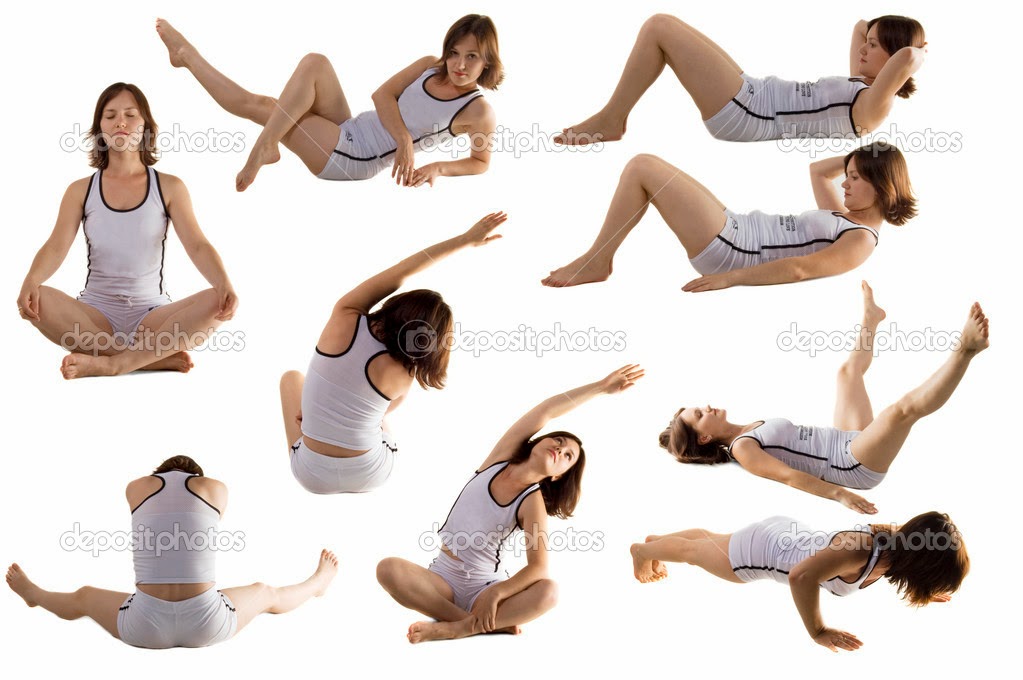
            Aerobic Exercise (also known as cardio) is physical exercise of relatively low intensity that depends primarily on the aerobic energy-generating process. Aerobic literally means "living in air", and refers to the use of oxygen to adequately meet energy demands during exercise via aerobic metabolism. Generally, light-to-moderate intensity activities that are sufficiently supported by aerobic metabolism can be performed for extended periods of time. The intensity should be between 60 and 85% of maximum heart rate.

Photo Credit

Aerobics classes may allow participants to select their level of participation according to their fitness level. Many gyms offer a wide variety of aerobic classes for participants to take. Each class is designed for a certain level of experience and taught by a certified instructor with a specialty area related to their particular class.

Types Of Physical Exercise

Types Of Physical Exercise

            Any type of physical activity is good if it makes your muscles work more than usual. People of all ages can improve their health and well-being by becoming more physically active. There are many types of physical activity as written below:

1)     Aerobics

2)     Bodybuilding

3)     Running

4)     Squat

5)     Sport

6)     Stretching

7)     Walking

8)     Weight training

9)     Yoga

Basic modes of physical exercises

People do physical exercises as a part of their healthy lifestyle to get stronger and healthier or stay strong and healthy or to improve their body image. There are three basic modes of physical exercises:

1) Flexibility exercises help the human body in general or its part in particular to be able to reach farther and bend better.
2) Aerobic exercises help the body work hard for a long time.
3) Anaerobic exercises, like lifting weights, make the arms and legs stronger.

Source Link:

Friday, August 9, 2013

Basic Modes Of Physical Exercises

Basic Modes Of Physical Exercises

             People do physical exercises as a part of their healthy lifestyle to get stronger and healthier or stay strong and healthy or to improve their body image. There are three basic modes of physical exercises:

1)  Flexibility exercises help the human body in general or its part in particular to be able to reach farther and bend better.

2) Aerobic exercises help the body work hard for a long time.

3) Anaerobic exercises, like lifting weights, make the arms and legs stronger.

Photo Credit

Exercise can be fun, but it is important for the exerciser to do what he likes and eat enough calories, so when he exercises he is building up muscles, not just breaking them down for fuel. Carbohydrates are muscle-sparing; and if one does not get enough calories overall, there is the risk of burning muscles up with the fat to make up the deficit.

Thursday, August 8, 2013

Physical Exercise

Physical Exercise

            Physical exercise is any bodily activity that enhances or maintains physical fitness and overall health and wellness. It is performed for various reasons including strengthening muscles and the cardiovascular system, honing athletic skills, weight loss or maintenance, as well as for the purpose of enjoyment.

Photo Credit

Frequent and regular physical exercise boosts the immune system, and helps prevent the "diseases of affluence" such as heart disease, cardiovascular disease, Type 2 diabetes and obesity. It also improves mental health, helps prevent depression, helps to promote or maintain positive self-esteem, and can even augment an individual's sex appeal or body image, which is also found to be linked with higher levels of self-esteem. Childhood obesity is a growing global concern and physical exercise may help decrease some of the effects of childhood and adult obesity. Health care providers often call exercise the "miracle" or "wonder" drug alluding to the wide variety of proven benefits that it provides.


Photo Credit

The beneficial effect of exercise on the cardiovascular system is well documented. There is a direct relation between physical inactivity and cardiovascular mortality, and physical inactivity is an independent risk factor for the development of coronary artery disease. There is a dose-response relation between the amount of exercise performed from approximately 700 to 2000 k cal of energy expenditure per week and all-cause mortality and cardiovascular disease mortality in middle-aged and elderly populations. The greatest potential for reduced mortality is in the sedentary who become moderately active. Most beneficial effects of physical activity on cardiovascular disease mortality can be attained through moderate-intensity activity persons who modify their behavior after myocardial infarction to include regular exercise have improved rates of survival. Persons who remain sedentary have the highest risk for all-cause and cardiovascular disease mortality.


Making Physical Activity A Part Of A Child's Life

Making Physical Activity A Part Of A Child's Life

             Many physical activities fall under more than one type of activity. This makes it possible for your child to do two or even three types of physical activity in one day. Talk with children about physical activity and make sure they understand that everyone needs physical activity. It is an important part of staying healthy, not only for their body, but also for their mind. It's easy to fit each type of activity into your child's schedule – all it takes is being familiar with the Guidelines and finding activities that your child enjoys.

Making Physical Activity A Part Of A Child's Life

Keep Your Child Active:

            As a parent, you can help shape your child's attitudes and behaviors toward physical activity, and knowing these guidelines is a great place to start. Throughout their lives, encourage young people to be physically active for one hour or more each day, with activities ranging from informal, active play to organized sports. Here are some ways you can do this:

1) Set a positive example by leading an active lifestyle yourself.

2) Make physical activity part of your family's daily routine by taking family walks or playing active games together.

3) Give your children equipment that encourages physical activity.

4) Take young people to places where they can be active, such as public parks, community baseball fields or basketball courts.

5) Be positive about the physical activities in which your child participates and encourage them to be interested in new activities.

6) Make physical activity fun.  Fun activities can be anything your child enjoys, either structured or non-structured. Activities can range from team sports or individual sports to recreational activities such as walking, running, skating, bicycling, swimming, playground activities or free-time play.

7) Instead of watching television after dinner, encourage your child to find fun activities to do on their own or with friends and family, such as walking, playing chase or riding bikes.

8) Be safe! Always provide protective equipment such as helmets, wrist pads or knee pads and ensure that activity is age-appropriate.


SOURCE LINK:

Friday, August 2, 2013

Infant And Toddler Health

Preventing Falls For Babies And Toddlers

            Falls are the most common cause of accidents in every age group. As babies and children become more and more mobile, falls and bumps become more likely. Injuries to children often happen unexpectedly because grown-ups don't realize what children can do and how quickly they develop new skills. 

Photo Credit

The most useful thing you can do to try and keep your child safe is to keep an eye on the new skills she’s learning, and the new places she can reach and get to – and then adjust your environment accordingly. Understanding your child’s development will help you plan ahead for safety.

Fall Safety For Kids At Home

At home, fall safety for kids hinges on basic precautions. Follow these simple tips:

1) Beware of heights. Never leave a baby alone on a bed, changing table or piece of furniture. Use the safety strap on highchairs and other infant seats. Don't allow a young child to play alone on a fire escape, high porch or balcony. Safety netting also may help prevent falls.

2) Keep stairs safe. Make sure stairs have handrails on both sides that go from the top step to the bottom step. Keep stairs clear of clutter and well lit.

3) Install safety gates. Block a toddler's access to stairs with safety gates. If you're putting a safety gate at the top of a staircase, attach it to the wall.

4) Keep windows locked and screens in place. A young child may squeeze through a window opened as little as 5 inches. Although all windows that open should have guards or screens, screens aren't strong enough to keep a child inside. Discourage play near windows and patio doors, which could lead to a fall through glass. Don't store or display anything a child could climb near a window.

5) Prevent access to extension cords and ladders. It's easy to trip on extension cords. Store ladders on their sides in a shed or garage.

6) Avoid baby walkers. A young child may trip over a baby walker, fall out of the walker or fall down the stairs while using a walker.

7) Use night lights. Consider using them in your child's bedroom, the bathroom and hallways to prevent falls at night.


Source Link:

Thursday, August 1, 2013

Encouraging Kids To Be Active

Encouraging Kids To Be Active

            Anyone who's seen kids on a playground knows that most are naturally physically active and love to move around. But what might not be apparent is that climbing to the top of a slide or swinging from the monkey bars can help lead kids to a lifetime of being active.


As they get older, it can be a challenge for kids to get enough daily activity. Reasons include increasing demands of school, a feeling among some kids that they aren't good at sports, a lack of active role models, and busy working families.

And even if kids have the time and the desire to be active, parents may not feel comfortable letting them freely roam the neighborhood as kids once did. So their opportunities might be limited.

Tips For Encouraging Active Kids
1) Be active yourself  and your child will follow your lead.

2) Offer positive feedback and support to encourage your child when an activity is proving a little difficult for him.

3) Spend active time with your child. Instead of being a couch potato or focusing too much on jobs that need to be done around the house, make some time to have fun playing Frisbee, walking and cycling with your child.

4) Encourage him to play outside and praise him when he does.

5) Encourage him to take up an organised sport or group lessons in swimming or dancing.

6) Get the family going: organise family activities such as camping, bush walking and outdoor games.

7) Involve your child in daily chores around the house, such as gardening, washing the car and cleaning. Not only do these activities keep everyone physically active, they help the house run smoothly.

Healthy, physically active kids also are more likely to be academically motivated, alert, and successful. And physical competence builds self-esteem at every age.